
You may have gone around asking your friends who have kids, “How did you get your baby to sleep?” If you did, the answers you got were probably all at least a little different. Some variations are subtle, like whether or not to use a pacifier, or how far apart to spread naps throughout the day. However you choose to answer those questions doesn’t affect baby’s safety, but there are some very important things to know before putting a baby down for a nap and assuming they’re safe.Lay Baby on Their Back
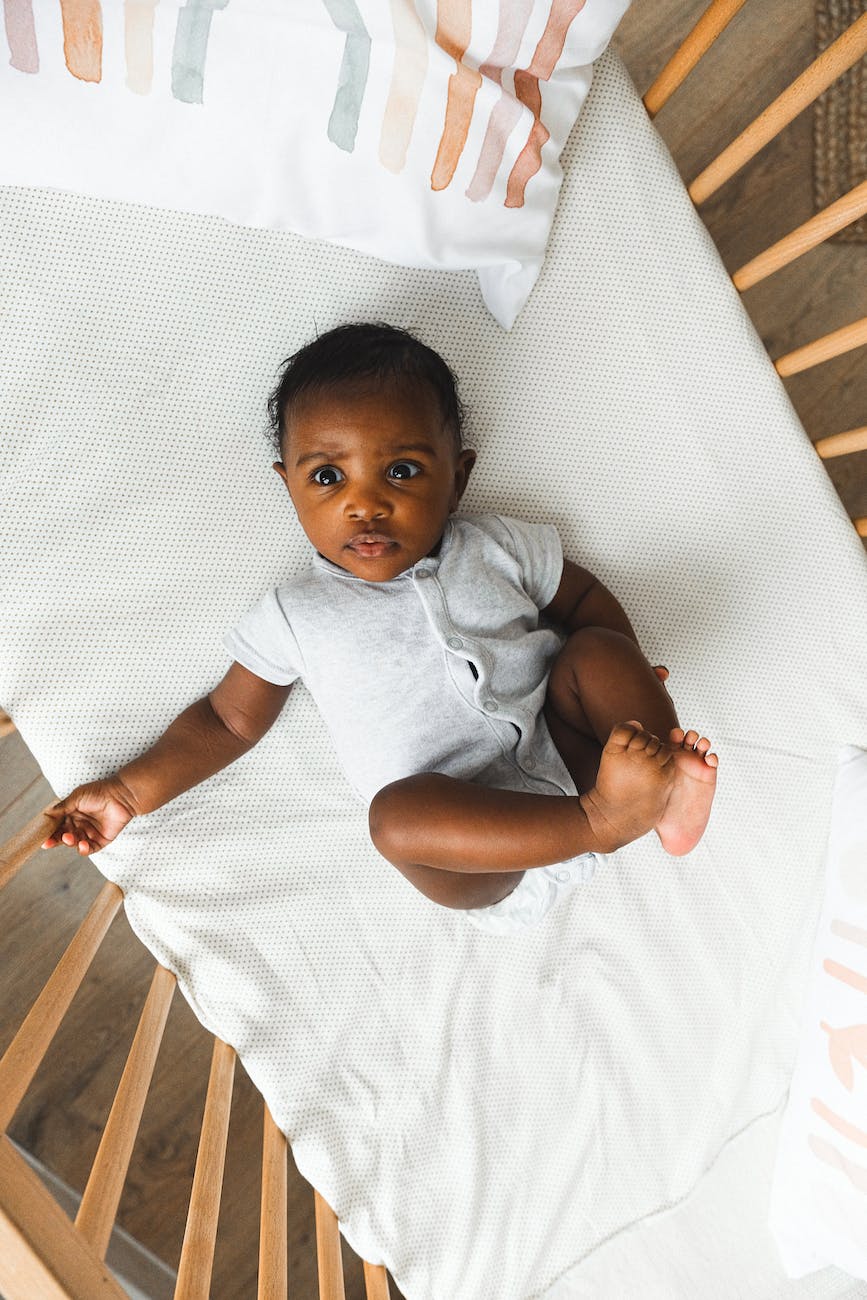
Since the early 90s, the American Academy of Pediatrics (AAP) has recommended laying infants down to sleep on their back as opposed to on their stomachs or sides. A baby sleeping on their back has a lower risk of Sudden Infant Death Syndrome (SIDS) than a baby who doesn’t.
If Baby can roll over onto their side or tummy on their own, it’s okay to let them keep sleeping that way (if they aren’t swaddled). Just don’t lay them down on their tummy or side initially.
Firm, SAFE Sleep Space
When laying Baby down to sleep, there are really only 3 types of sleep spaces that are consistently safe: cribs, Pack N Plays, and bassinets. When set up properly, these sleep settings have firm surfaces and breathable wall material.
When away from home, some hosts may suggest you let Baby just sleep on their bed with some pillows barricading them in. This is unsafe for a number of reasons:
- An adult mattress is much softer and will have a more loosely-fitting sheet. These factors are suffocation risks and increase the risk for SIDS.
- The pillows surrounding Baby are a suffocation hazard.
- The pillows would not keep an infant safely contained the way structured, breathable walls would.
Keep the Sleep Space Empty
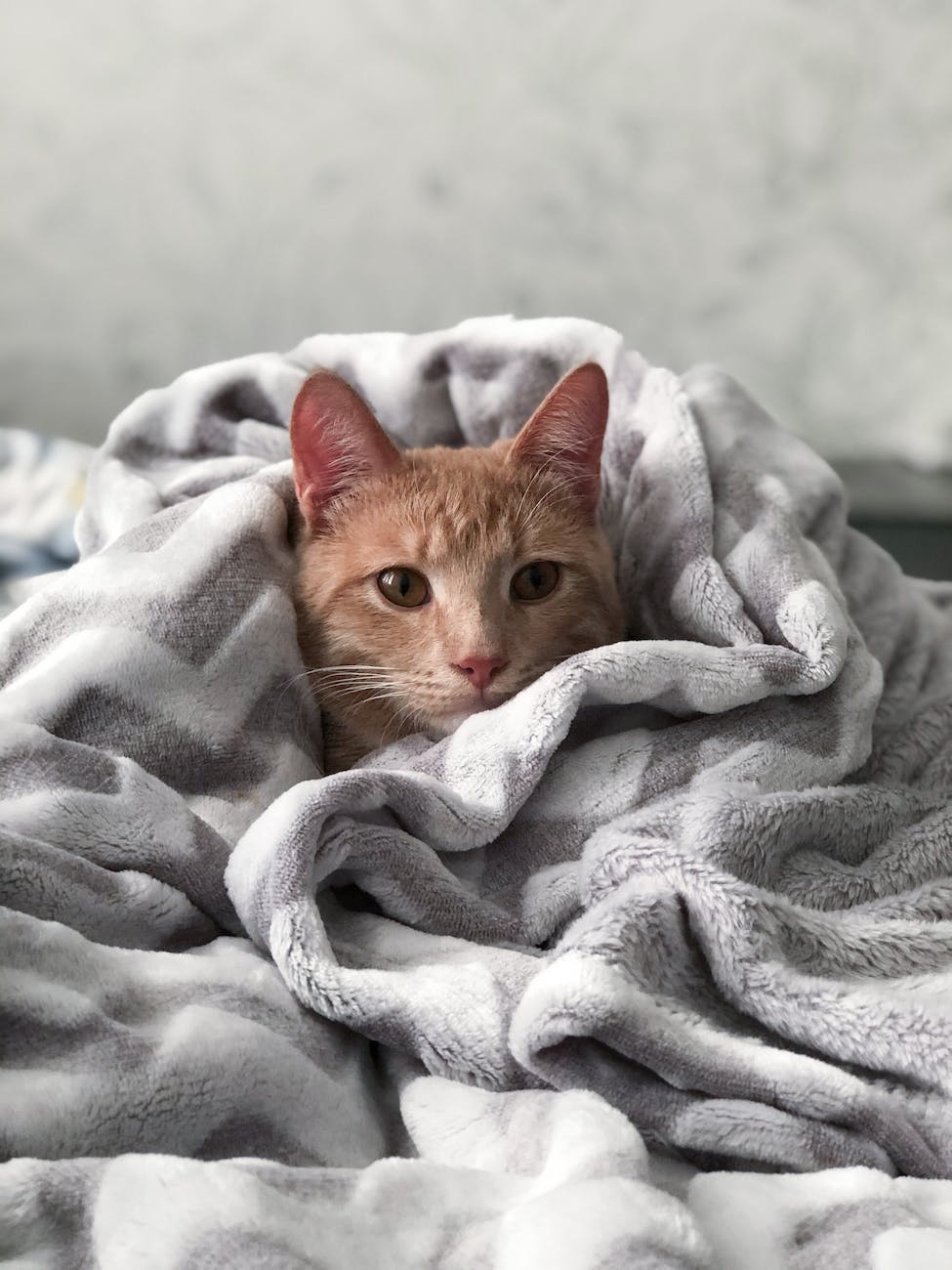
At the risk of sounding like a broken record, putting anything in the crib other than your baby is a suffocation hazard. The following items are dangerous to have in an infant’s sleep space:
- Crib bumpers
- Suffocation is more dangerous than a hard crib slat.
- Pillows
- Babies don’t need pillows. They’re perfectly comfortable laying their heads on the nice firm crib mattress.
- Blankets
- These are a suffocation hazard. If you’re worried that your child is too cold in just their pajamas, look into wearable blankets, commonly referred to as sleep sacks. We love our Halo sleep sacks, and they even make convertible sleep sacks for babies transitioning away from swaddling (FYI as a part of the Amazon Associate program, I earn on qualifying purchases).
- Stuffed animals
- Try to avoid getting your child too used to being comforted to sleep by any toys. The sleep space needs to be free of all stuffed animals and other toys to avoid risk of suffocation.
- Loose crib sheets
- A crib sheet that is too loose can bunch up by Baby’s mouth and nose, posing a suffocation rush
- Anything they could grab at a short distance from the crib
- Sound machine/cord
- Baby monitor/cord
- Burp cloths
Regulate Their Temperature
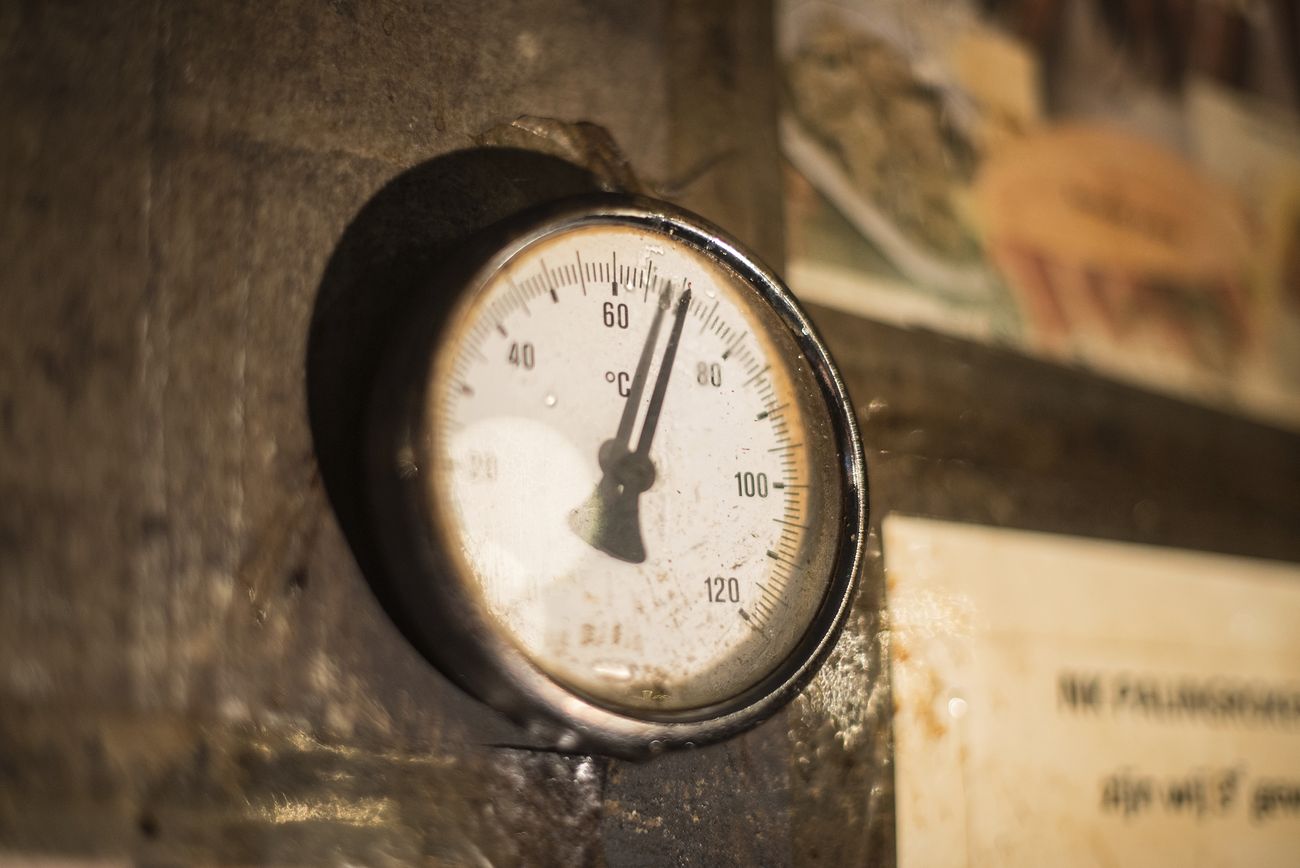
I overheat big time when I’m sleeping, so keeping the bedroom at a certain temperature at night really helps me get quality sleep. The same goes for your baby, but their safety also factors in. Overheating when sleeping is a potential SIDS risk, so be mindful of the environment beyond the crib too.
- How hot is the room in general?
- Shoot for something in the range of 68-72 degree Fahrenheit. Obviously this isn’t always achievable, but do your best.
- Is there a ceiling fan?
- Turning the ceiling fan on can help keep a room feeling cooler and less stale. Make sure the fan is rotating the right direction for what you’re trying to accomplish (typically clockwise for cooler, counterclockwise for warmer).
- How many layers is Baby wearing?
- If the room is a little cold, make sure Baby has at least footies and a sleepsack on to keep warm. As a rule of thumb, think of how many layers you would need to sleep in that room, then add one more for Baby.
When talking to older generations who put their children down to sleep in different ways than is currently recommended, you’re likely to come across some survivorship bias. It’s important to remember that just because there were infants with different sleep conditions decades ago and they turned out fine, that does not mean it’s fine to disregard today’s recommendations for your own children. The children who could have benefited from following these recommendations sooner are not around to counter the survivorship arguers. Do whatever you can to give your kids the safest sleep environment possible, and make sure anyone who helps take care of them does too.

 Fatherhood & Finances
Leave a comment